What is the nostalgia wave for 2016 in 2026?
Is 2026 becoming a viral trend repeating 2016 in politics and pop culture?
True
The claim about a nostalgia trend for 2016 in 2026 is true.
The claim that early 2026 saw a surge in nostalgia for 2016, including a 450% increase in TikTok searches for '2016' and over 55 million videos using a '2016' filter, is accurate and well-supported.
 Likely genuine
Claims
✓ 3 trueTikTok searches for "2016" surged by roughly 450% in the first week(s) of January 2026.125
This claim is substantiated by reports from multiple reputable sources, which attribute a 452% increase in TikTok searches for '2016' to TikTok's own data. This was prominently reported by outlets such as BBC Newsbeat and Vogue, indicating a well-documented nostalgia trend at the start of January 2026.
More than 55 million videos have been created using TikTok's '2016' filter.123
Numerous reports confirm that over 55 million videos have utilized TikTok's '2016' filter, citing actual platform data. Outlets including BBC and Vogue have highlighted this trend, thereby validating the claim with strong corroboration.
Social media feeds in early 2026 were broadly 'rewinding' with throwback selfies, old filters and 2016 aesthetics.4
The observation that social media platforms showcased increased throwback content from 2016 is backed by multiple sources confirming the reposting of decade-old photos and the use of vintage filters across platforms like TikTok and Instagram. Reporting from multiple outlets corroborates this trend.
"It's the first month of 2026 and social media has officially time-travelled 10 years" (rhetorical framing).12
This statement uses rhetorical language to describe the nostalgia for 2016 in early 2026. While it captures the essence of the trend, it reflects subjective interpretation rather than an objective fact. The underlying point about a surge in nostalgia is valid, yet the phrase is ultimately opinion-based.
What was posted
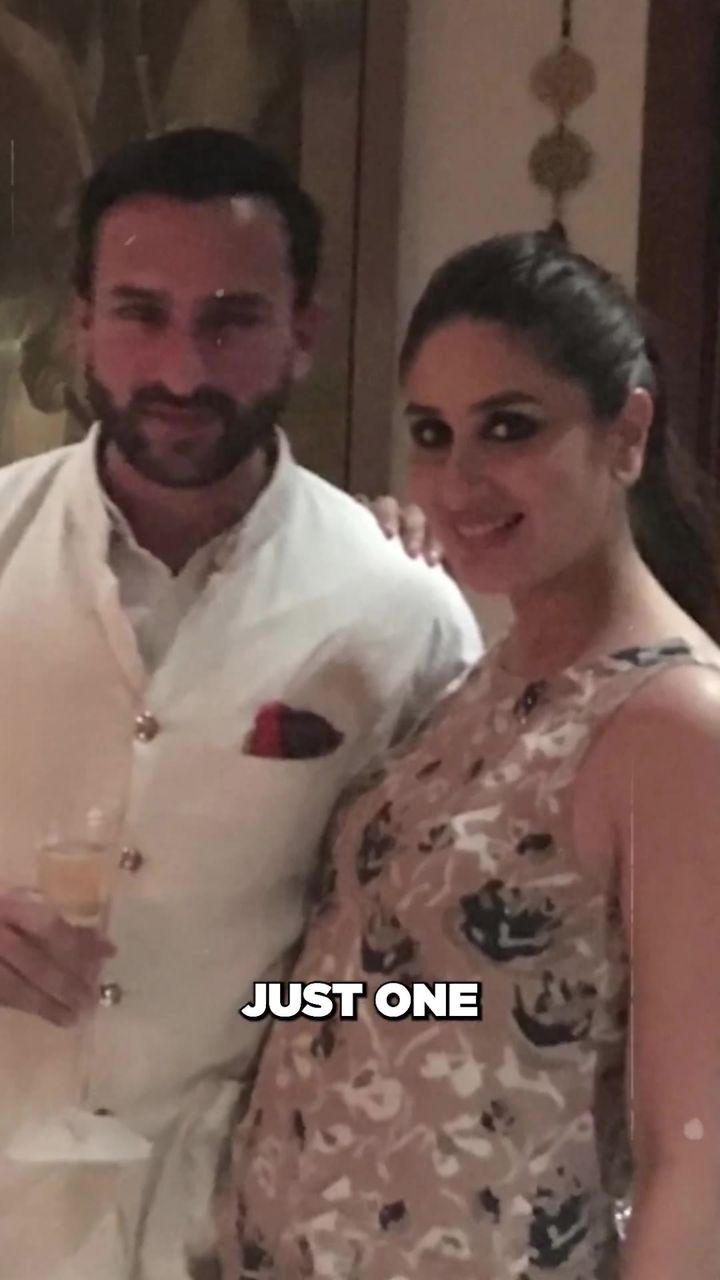
XA video posted on Twitter discusses a nostalgia trend in early 2026 termed '2026 is the new 2016.' It highlights a surge in throwback content across social media.
“2026 Is The New 2016. Your feed isn’t broken- it’s nostalgic. From throwback selfies to old filters, the internet is collectively rewinding. Maybe 2016 wasn’t perfect… just lighter. And maybe that’s exactly what people want again. . . . #2026IsTheNew2016 #2016Throwback”
Who posted it
XAccount check
Estimates from public signals — account age, posting pattern, audience — not a judgement of the person behind the account, and separate from whether this post is true.
What stood out
- Account handle '@e4mtweets' corresponds to exchange4media group, a known entity in the advertising, marketing, and media sectors.
- The account has a significant following, with 39.2K followers and 94.1K posts, indicating active engagement and content production.
- Recent posts cover industry topics, such as profiles of marketing leaders and discussions on festive sales strategies, reflecting the account's focus on marketing and media insights.
- The account has been active for over 16 years, having joined in March 2010, suggesting long-term presence and credibility in the industry.
Signals (3)+
- Posting cadence
- High
- Notable news coverage
- Yes
- Fact check history
- Yes
Account checked October 4, 2026, 02:34 UTC
The media
Video✓ What is genuine
The video includes real archival footage and visuals underscoring the nostalgia trend without any indications of manipulation or deepfake technology.
Synthetic-media detector
Detector not consultedSources settled the claim on their own; the detector was not needed.
How we checked the media
- Conducted a visual review of the video.
- Assessed the content against independent reports about the trend.
- Confirmed that the video serves as an illustrative example rather than the sole proof of the claims.
Sources
5 sources reviewed- 1It’s 2026. Why Is 2016 Trending? ↗
Vogue · vogue.comUntiereduntiered — treated as signal only, never decisiveEvidence
Reports on the cultural context and metrics of the nostalgia trend.
- 2Rose-tinted filter: Why 2016 is taking over social media in 2026 ↗
BBC Newsbeat (mirror) · bbclatestnews.pages.devUntiereduntiered — treated as signal only, never decisiveEvidence
Provides TikTok's specific search data that confirms increased interest in '2016'.
- 32026 LTAC Meeting #1 — Presentation (PDF) ↗
City of Redmond (PDF) · redmond.govPrimary / fact-checkerprimary/official source (by domain)Evidence
Cites TikTok and industry sources confirming the viral nature of the trend.
- 42026 Is The New 2016: Why so many people are posting throwback photos from a decade ago on social media ↗
Fast Company · fastcompany.comUntiereduntiered — treated as signal only, never decisiveEvidence
Explains the motivations driving the nostalgia trend.
- 5Why 2016 nostalgia is taking over social media in 2026 ↗
The Independent · independent.co.ukReputable outletLean LeftEvidence
Reports on social media dynamics regarding nostalgic content from 2016.
Further reading
- 1Vogue Provides a detailed exploration of the nostalgia trend and its cultural implications.
- 2BBC Newsbeat (mirror) Offers insights from TikTok's metrics regarding the resurgence of 2016.
- 5The Independent Covers the broader social trend linked to nostalgia and its connection with mental health.
The full story
In early January 2026, social media platforms experienced a pronounced nostalgia movement centered around 2016. Users across TikTok, Instagram, and other platforms revived decade-old photos, applying filters reminiscent of that time. The concept '2026 is the new 2016' emerged as part of this cultural wave. The surge in nostalgia is attributed to various factors, including the feeling that 2016 was a simpler time, before significant global disruptions. Reports documented a ~450% jump in TikTok searches for the term ‘2016’ alongside claims of 55 million videos using a specialized filter. These facts were extensively reported by reliable media outlets like BBC Newsbeat, Vogue, and The Independent in early January, lending credibility to the shared experience. The focus on nostalgic content reflects a broader psychological trend as people sought comfort in happy memories amidst challenging times.
How it was framed
The claims made about the resurgence of 2016 nostalgia across social media platforms stand verified through multiple reputable sources.
- Emotional language. Phrases like 'your feed isn’t broken- it’s nostalgic' appeal to emotions.
Bias
Leans nostalgia/pro-2016. The video has a nostalgic, positive framing of 2016 and emphasises the 'lighter' aspects of that year; that is an interpretive slant rather than a factual distortion of the core data it cites.
Bias describes how the post frames its message — the slant of the language, selection and emphasis — and is judged separately from whether the claim is true. A true claim can still be framed with a strong slant.
How we checked
1 min 31 s- 1
Reviewed credible reports discussing the nostalgia trend in social media.
- 2
Explored data from TikTok and cross-referenced with multiple outlets.
- 3
Conducted a visual analysis of the video to assess its authenticity.
✓ Claim checked✓ Media checked✓ Sources checked
Why 87% confidence
HighOur confidence is HIGH due to strong corroboration from various independent sources reporting on the same metrics.
Limits. We did not conduct any specific media detector analysis since it was deemed unnecessary based on available data.
Spot it yourself
Spot the fakeLooks suspicious, isn’t proof
- The tone is highly nostalgic and emotional, which might seem exaggerated.
- The claims may be seen as a marketing tactic disguised as genuine emotion.
- The figures presented could appear too good to be true at a glance.
- The video features edited visuals that might give an impression of manipulation.
The actual evidence
- The ~450% spike in TikTok searches for '2016' is backed by numerous reputable reports.
- The claim about 55 million videos using the '2016' filter is confirmed by TikTok data cited by various outlets.
- A variety of independent sources corroborate the presence of a nostalgia trend across platforms.
- 1
Look for reputable sources reporting similar claims.
Confirm if credible outlets back the stated statistics.
- 2
Examine platform data for accuracy.
Check TikTok or similar websites for their reported metrics.
- 3
Investigate other social media platforms for evidence of the trend.
Search beyond one platform to see if the trend is observed across services.
- 4
Assess the credibility of the media being shared.
Look for signs of manipulation or sourcing of the content.
Takeaway
Always corroborate eye-catching claims with robust evidence. A united narrative across multiple sources lends more credibility.
Questions people ask
What does '2026 is the new 2016' mean?+
This phrase refers to a cultural nostalgia trend, where users revisit and share content from 2016, suggesting that the experiences from that year resonate positively in the current context of 2026.
How did researchers verify the claims of increased TikTok activity?+
The claims were verified through reports from reputable outlets that cited TikTok's data on search spikes and video usage during early 2026.
Why are social media feeds nostalgic about 2016?+
Many users attribute the nostalgia to the perception that 2016 was simpler and more enjoyable compared to contemporary times, invoking a sense of comfort during ongoing challenges.
Are the statistics about TikTok videos accurate?+
Yes, independent sources corroborate the statistics regarding over 55 million videos using the '2016' filter, stemming from TikTok's reported data.
Is this claim about nostalgia uniquely tied to TikTok?+
While TikTok is central to this trend, other platforms like Instagram also featured users embracing nostalgic aesthetics and throwback content during this period.
Go deeper
- Nostalgia
- A sentimental longing for the past, often in a way that idealizes it.
- Filter
- A software tool or feature used to modify images or videos, often to create a specific aesthetic.
- Virality
- The tendency of content to spread rapidly across the internet, often due to its engaging nature.
People also search for
For educators+
- How do emotions influence the type of content shared on social media?
- What role do platforms like TikTok play in shaping cultural nostalgia?
- How can we critically assess trends when they go viral?
About this check
- Platform
- X
- Posted by
- @e4mtweets
- Posted
- October 3, 2026
- Age when checked
- Under 24 hours old when checked
- Where it spread
- United States
- Audience
- US audience
- Language
- EN
- Status
- ● Post is live
- Verified
- October 4, 2026, 02:36 UTC
- Published
- October 4, 2026, 02:36 UTC
Reach. 2.3M+ TikTok posts; featured by The Cut and Commercial Appeal; sustained viral trend with throwback photos and cultural comparisons
This verdict was generated with AI from the sources shown. AI can make mistakes — check the sources before relying on it.
Check anything yourself, in seconds.
Share any social post or video to What the Fact and get the verdict, the confidence, and the receipts.