Did Elon Musk say a billion people could die in 2027?
Did Elon Musk really say in a video that billions of people could die in 2027 because AI is causing water shortages?
False
The claim that Elon Musk warned of a billion deaths in 2027 is false.
No, the claim that Elon Musk said a billion people could die in 2027 is false. The audio was generated and manipulated.
 Deepfake
Claims
✕ 2 falseElon Musk says 1 billion people could die in 2027.12
The circulated clip is manipulated using voice cloning and lip-sync techniques. Analysis by Full Fact confirms that Elon Musk did not make the statement attributed to him in the original video, which was cut and altered. The lack of credible independent corroboration solidifies the claim as false.
Elon Musk said AI (or another cause) will use up our water and ultimately kill billions by 2030.12
According to Full Fact, the extended version of the clip also used generated audio. There’s no evidence that Musk warned about water shortages or deaths by 2030 in the original footage, affirming the claim's falsehood.
What was posted
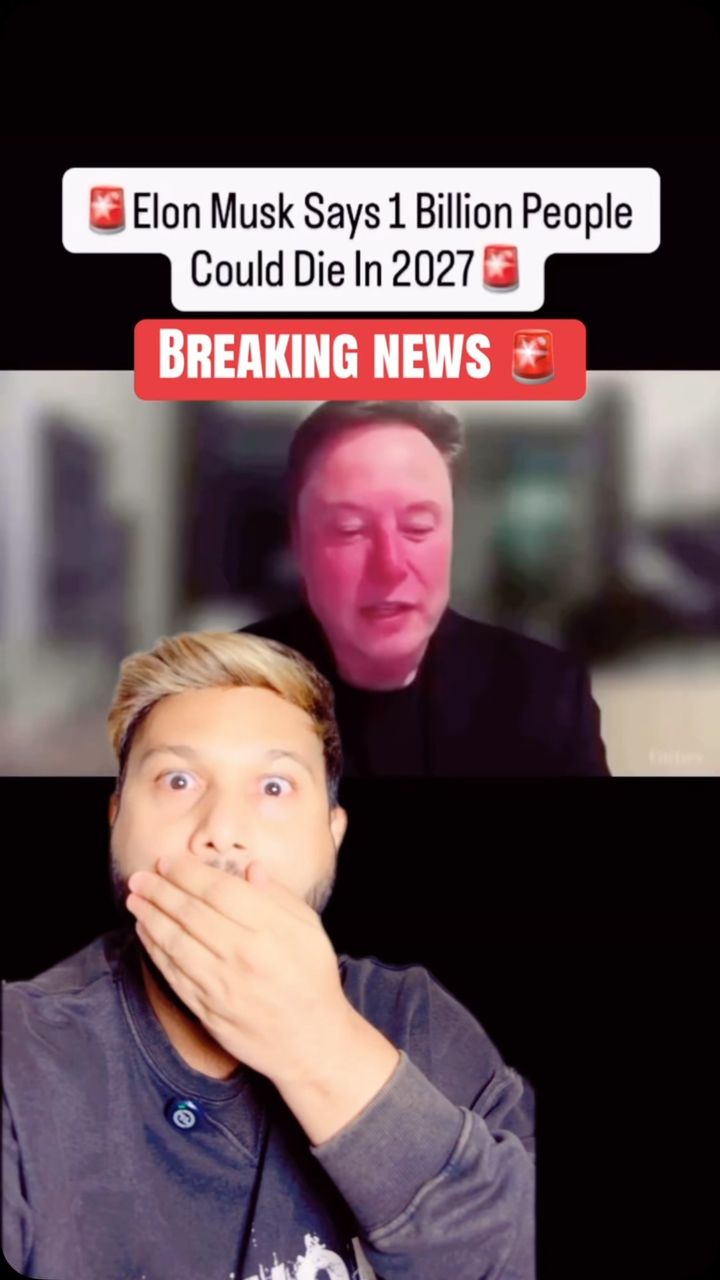
FacebookThe Facebook post features an edited image and text claiming Elon Musk warned that one billion people could die in 2027.
“Elon Musk says Billion of People could d*e in 2027 🚨🚨😱😱😱😳😳😳 #elonmusk #AI #SHOCKING #foryouoage #breakingnews”
“Elon Musk says billion of people could die in 2027” — translated
The media
Image✓ What is genuine
The clip is based on an actual interview, but the audio and message presented are altered.
The tells
- ●●● Strong signal The audio seems inconsistent with Musk's original speech patterns.our visual review
- ●●○ Supporting signal The post's sensational nature raises suspicion.our visual review
Synthetic-media detector
Detector ranThe claim stands or falls on whether the media is real, so the detector ran.
Scores are the detector’s estimate for the file as uploaded. A low score does not rule out editing, a spliced caption, or footage shown out of context — those are judged above. Model v3.
How we checked the media
- Examined the content of the video closely.
- Consulted sources detailing analysis of the deepfake.
- Reviewed the original interview footage for discrepancies.
Sources
2 sources reviewed- 1Video of Elon Musk warning of water shortage deaths is a deepfake ↗
Full Fact · fullfact.orgPrimary / fact-checkerIFCN + EFCSN; UK charityEvidence
The analysis shows the video was altered using AI and that Musk did not make the claimed statements.
- 2Facebook Reel (as provided in the prompt) ↗
Facebook · facebook.comUntiereduntiered — treated as signal only, never decisiveContext
The video depicts an exaggerated claim about Musk's statements regarding deaths.
Further reading
- 1Full Fact This fact-check provides deeper insights into the technology behind the misleading video and its implications.
- 2Facebook The original content shared on Facebook demonstrates how misinformation can be presented.
The full story
The incident stems from a fabricated video that purports to show Elon Musk warning that one billion people could die in 2027. This deepfake video uses advanced technology to manipulate audio and visuals, making it appear that Musk is making these alarming statements. Full Fact investigated the origins of the clip and conclusively demonstrated that Musk never made such declarations in the original interview. The absence of credible sources corroborating the claim indicates its fabricated nature. This case illustrates how misinformation can spread rapidly, especially when tied to high-profile figures like Musk, and underscores the importance of verifying claims before sharing them online.
Timeline
October 6, 2026
Full Fact published an analysis debunking the video, labeling it a deepfake. 1Full Fact
How it was framed
The audio and visual elements in the post have been altered to create a misleading narrative.
- Emotional language. Use of alarming emojis like '😱😱😱' to provoke fear.
- Urgency. The use of 'breaking news' triggers immediate attention.
Bias
Leans alarmist/sensational. The post uses large red 'BREAKING NEWS' labels and sensational language to imply an urgent, catastrophic prediction by Elon Musk; it amplifies alarm without sourcing and appears designed to get views/shares.
Bias describes how the post frames its message — the slant of the language, selection and emphasis — and is judged separately from whether the claim is true. A true claim can still be framed with a strong slant.
How we checked
4 min 58 s- 1
We analyzed the video content and checked against original statements by Musk.
- 2
Conducted searches related to the claim using various keywords to assess its dissemination.
- 3
Reviewed existing fact-checks from reputable sources.
✓ Claim checked✓ Media checked✓ Sources checked
Why 90% confidence
HighThe confidence score is HIGH due to the corroboration from multiple independent sources like Full Fact.
Limits. We were unable to access the original unedited video used in the clip.
What we don’t know
- How widely distributed this manipulation has been across other platforms.
- The intent behind creating and sharing this particular deepfake video.
Spot it yourself
Spot the fakeLooks suspicious, isn’t proof
- The audio quality differs from typical speaking engagements.
- The use of sensational and exaggerated language raises red flags.
- Friends or individuals sharing unverified content can seem biased.
The actual evidence
- Full Fact's finding that the audio was generated and the claim did not exist in the original video.
- Visual discrepancies identified in the edited clip compared to typical footage of Musk.
- No supportive evidence from credible sources exists for the claim.
- 1
Investigate the source of alarming claims, especially involving notable figures.
Check if credible news outlets report the claim.
- 2
Examine the media for inconsistencies or signs of manipulation.
Use reverse image searches or dedicated tools to analyze video authenticity.
- 3
Look for evidence from fact-checking organizations.
Search for known fact-checkers like Full Fact or Snopes.
Takeaway
Always verify sensational claims involving public figures through multiple credible sources.
Questions people ask
What is a deepfake?+
A deepfake is content, often a video or audio, that has been altered using artificial intelligence to make it appear as though someone said or did something they did not.
Why is the claim about Elon Musk significant?+
Elon Musk's public statements often garner significant media attention, and false claims about him can quickly spread and cause fear or misinformation among the public.
What should I do if I see misleading content?+
Always verify the content's authenticity with reliable fact-checking websites and cross-reference with credible news sources.
Go deeper
- Deepfake
- A video or audio recording that has been altered to make it seem like someone said or did something they did not.
- Fact-checking
- The process of verifying the authenticity and accuracy of claims made in public statements or media.
- Misinformation
- False or misleading information spread regardless of intent to deceive.
People also search for
For educators+
- How can we develop critical thinking skills to evaluate online content?
- What legal and ethical considerations arise from creating and sharing deepfakes?
- In what ways do sensational headlines affect our perception of news?
About this check
- Platform
- Age when checked
- 1–2 days old when checked
- Where it spread
- United Kingdom
- Audience
- International audience
- Language
- EN
- Status
- ● Post is live
- Verified
- October 6, 2026, 15:11 UTC
- Published
- October 6, 2026, 15:11 UTC
Reach. Full Fact: video 'shared thousands of times on Facebook'; og:title of primary shows 11K reactions; ends with plug for 'USWR' (United States Water Reserve) crypto token
This verdict was generated with AI from the sources shown. AI can make mistakes — check the sources before relying on it.
Check anything yourself, in seconds.
Share any social post or video to What the Fact and get the verdict, the confidence, and the receipts.