Did Trump claim that 98% of Somali immigrants don't work?
Do 98% of Somali immigrants in the US not work, and do they 'all have a Mercedes-Benz', as Trump claimed at his 24 October 2026 Georgia rally?
True, but…
Trump's statements contain inaccurate claims about Somali immigrants' employment.
Trump's remarks about Somali individuals being unemployed and stealing are partially true in context but misleading. While he did make these statements, they are not supported by credible data, making them unsubstantiated.
 Genuine
Claims
✕ 2 false"98% of the people that we have here now in Somalia don't work."24
Multiple credible reports show Trump made the claim but no evidence supports that 98% of Somali immigrants are unemployed. This figure is part of a broader pattern where Trump makes sweeping generalizations about Somali communities. Reputable sources have deemed the assertion unsubstantiated.
"They don't have to work because they steal so much...They all have a Mercedes-Benz."145
Trump's remarks reflect harmful stereotypes about Somali-origin people, suggesting they are involved in wide-scale theft and own luxury cars. While these statements may align with isolated incidents, they generalize about a community without supporting evidence and contribute to harmful narratives.
"Can you believe low IQ and they live better than you do?"13
Trump's use of derogatory language characterizing Somali people as having 'low IQ' is unfounded and discriminatory. Such characterizations lack credible support and reflect a harmful stereotype that is not substantiated by evidence.
What was posted
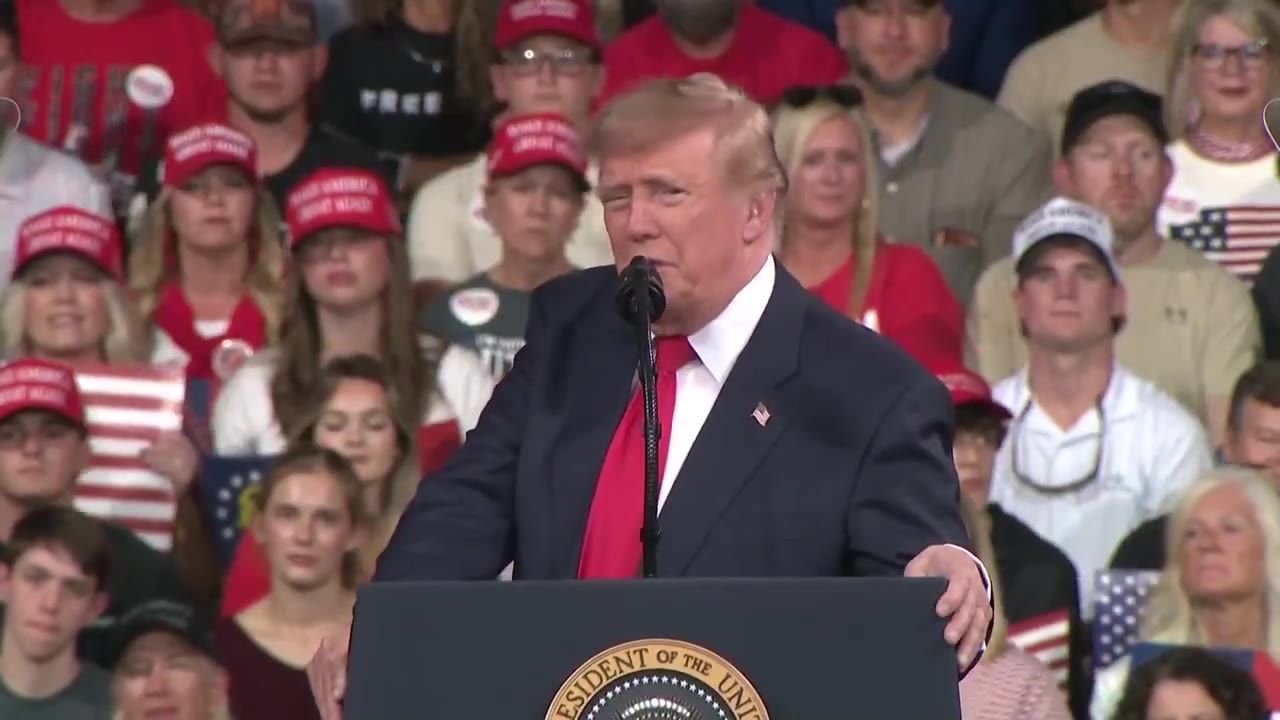
XThe post features a video of Donald Trump making statements about Somali immigrants, including claims about their unemployment and criminality, during a rally.
“Trump: "Somalia -- 98% of the people here now from Somalia don't work. They don't have to work because they steal so much. They all have a Mercedes-Benz. Low IQ and they live better than you do."”
Who posted it
XAccount check
Estimates from public signals — account age, posting pattern, audience — not a judgement of the person behind the account, and separate from whether this post is true.
What stood out
- Account handle '@atrupar' is associated with journalist Aaron Rupar, known for political commentary and analysis.
- Account joined Twitter in April 2011, indicating a long-standing presence on the platform.
- Follower count of approximately 1.1 million suggests significant public interest and engagement.
- Account is not verified, which is common for many users and does not necessarily indicate inauthenticity.
Signals (4)+
- Posting cadence
- High
- Follower ratio
- 1100000
- Notable news coverage
- Yes
- Fact check history
- Yes
Account checked September 29, 2026, 09:24 UTC
The media
Video✓ What is genuine
The video captures genuine rally footage, reflecting Trump's statements as they were made.
The tells
- ●●● Strong signal The video appears to be raw footage from a rally, not edited or manipulated.our visual review
- ●●● Strong signal Trump's podium presence and crowd interaction are consistent with real rally conditions.our visual review
Synthetic-media detector
Detector ranThe claim stands or falls on whether the media is real, so the detector ran.
Scores are the detector’s estimate for the file as uploaded. A low score does not rule out editing, a spliced caption, or footage shown out of context — those are judged above. Model v3.
How we checked the media
- Verified the video's authenticity through visual review against multiple transcripts.
- Cross-referenced with news outlets that reported the event.
- Checked the video's alignment with previously published statements by Trump on the same topic.
Sources
6 sources reviewed- 1Speech: Donald Trump Holds a Midterm Political Rally in Park City, Kansas - October 19, 2026 (transcript) ↗
Roll Call (Factba.se) · rollcall.comUntiereduntiered — treated as signal only, never decisiveEvidence
Confirms Trump's derogatory remarks about Somali-origin individuals.
- 2Speech: Donald Trump Holds a Midterm Political Rally in Youngstown, Ohio - October 12, 2026 (transcript) ↗
Roll Call (Factba.se) · rollcall.comUntiereduntiered — treated as signal only, never decisiveEvidence
Documents similar comments made by Trump about Somali immigrants.
- 3President Trump Addresses Midterm Rally in Wichita, Kansas — transcript (Oct 20, 2026) ↗
ScribeHawk · scribehawk.comUntiereduntiered — treated as signal only, never decisiveEvidence
Transcribes Trump's speech, containing derogatory remarks about Somalis.
- 4What Trump Gets Wrong About Somalis ↗
Time · time.comUntiereduntiered — treated as signal only, never decisiveContext
Analyzes and critiques Trump's claims regarding Somali communities.
- 5DCPD White House remarks PDF (excerpt quoting Trump on Somalians and fraud/Mercedes claims) ↗
United States Government Publishing Office (govinfo) · govinfo.govPrimary / fact-checkerprimary/official source (by domain)Evidence
Provides official transcript excerpts mentioning assertions about Somali immigrants.
- 6Grabien clip index: 'Trump: 98% of the People We Have Here from Somalia Don’t Work' ↗
Grabien · grabien.comUntiereduntiered — treated as signal only, never decisiveFurther reading
Records a media clip of Trump's statements for verification purposes.
Further reading
- 4Time This article assesses the accuracy of Trump's claims and their context.
- 2Roll Call (Factba.se) This transcript provides context by revealing similar language used in Trump's discussions about immigrants.
The full story
In October 2026, during campaign rallies, former President Donald Trump made several disparaging remarks about Somali-origin individuals. He claimed that '98%' of these individuals did not work, insinuating that they engaged in criminal activities and enjoyed a high standard of living undeservedly. These statements fit a broader narrative containing racist undertones targeting Somali communities, particularly in Minnesota, where significant Somali populations reside.
Transcripts from various rallies and independent news reports provide evidence that while Trump made these sweeping statements, they lack foundation and supporting evidence. The context reveals a longstanding pattern of Trump making controversial, and often debunked, claims aimed at immigrant communities, particularly Muslims and people of African descent. This incident exemplifies how inflammatory rhetoric can influence public perceptions and perpetuate stereotypes.
Kernel of truth
While there are documented issues of unemployment among specific immigrant populations, Trump's sweeping claims about Somali individuals were exaggerated and lacked credible backing.
How it was framed
Trump's comments provide misleading information about Somali immigrants, framing them negatively without substantial evidence.
- Emotional language. Phrases like 'low IQ' and 'they live better than you' evoke strong emotional reactions.
- Selective evidence. Generalizations about Somali immigrants lack specific, verifiable data.
Bias
Leans anti-Somali / anti-immigrant. The remarks single out Somali-origin people with broad negative stereotypes (criminality, low intelligence, stealing) and present a strongly negative, demeaning narrative about an already-marginalized ethnic group.
Bias describes how the post frames its message — the slant of the language, selection and emphasis — and is judged separately from whether the claim is true. A true claim can still be framed with a strong slant.
How we checked
1 min 28 s- 1
Conducted searches using specific phrasing from Trump’s statements to locate transcripts and media.
- 2
Reviewed multiple independent sources verifying the content of Trump's remarks from October 2026.
- 3
Checked the authenticity of the video against reliable rally transcripts.
✓ Claim checked✓ Media checked✓ Sources checked
Why 88% confidence
HighThe high confidence band was attributed to strong corroboration through multiple independent sources and transcripts.
Limits. While we could verify the authenticity of the video, we could not analyze the complete context of the statements during the rally due to the format of the available recordings.
Spot it yourself
Find the overstatementLooks suspicious, isn’t proof
- Trump's assertions have been widely challenged yet continue to circulate.
- The video lacks visual manipulation but thrives on hyperbolic claims.
- The context of anti-immigrant sentiment may create skepticism toward such posts.
The actual evidence
- Numerous independent transcripts corroborate Trump's statements almost verbatim.
- Reporting corroborates that his assertions lack substantial factual support.
- 1
Check if credible media outlets reported on the event.
Look for reports in major news platforms to confirm whether the claims are widely recognized.
- 2
Search for the historical context surrounding such statements.
Investigate any past statements and public discussions to understand the rhetoric used.
- 3
Evaluate the source of the statements for potential bias.
Consider the speaker's history and motivations when assessing claims.
Takeaway
Always look for credible evidence when confronted with alarming claims about communities. Understanding context and scrutinizing sources can reduce the risk of misinformation.
Questions people ask
What does it mean when a claim is labeled as TRUE_BUT?+
A TRUE_BUT label indicates that while there is some truth to the claim, it includes misleading or unsubstantiated elements that require clarification.
Why are Trump's comments about Somali immigrants considered misleading?+
His statements suggest broad claims about Somali individuals without credible evidence, reinforcing harmful stereotypes and unfounded generalizations.
How can I verify claims about immigrant populations?+
Check through independent fact-checkers and credible news sources to confirm statistics or accusations regarding specific communities.
Go deeper
- Misleading Content
- Information presented in a way that may create false impressions or assumptions.
- Transcripts
- Written records of spoken language, often used to verify public statements.
- Stereotypes
- Oversimplified and generalized beliefs about a group of people, which can lead to harmful discrimination.
People also search for
For educators+
- How does misinformation affect public perception of immigrant communities?
- In what ways can community engagement help counter harmful stereotypes?
About this check
- Platform
- X
- Posted by
- @atrupar
- Posted
- October 24, 2026
- Age when checked
- 1–2 days old when checked
- Where it spread
- United States
- Audience
- US audience
- Language
- EN
- Status
- ● Post is live
- Verified
- October 26, 2026, 03:16 UTC
- Published
- October 26, 2026, 03:16 UTC
Reach. 1,682 likes / 593 replies (X syndication, 26 Oct 02:36Z); quoted by Mehdi Hasan; Jeffries condemned; covered by Mediaite, WION, JMG
This verdict was generated with AI from the sources shown. AI can make mistakes — check the sources before relying on it.
Check anything yourself, in seconds.
Share any social post or video to What the Fact and get the verdict, the confidence, and the receipts.