Has the 'Cat in the Hat' trend reached Germany?
Do viral TikTok videos show a person dressed as 'Cat in the Hat' stalking and threatening people in German cities such as Berlin?
True, but…
The trend has reached Germany, but many images are AI-generated.
Yes, the 'Cat in the Hat' trend has reached Germany, supported by police reports and incidents. However, many visuals shared online are AI-generated or manipulated.
 AI-generated
Claims
✓ 3 trueThe 'Cat in the Hat / Cat in the Head' trend has reached Germany (sightings reported).234
“Der 'Cat in the Hat / Cat in the Head'-Trend hat Deutschland erreicht (Sichtungen gemeldet).”
The claim is substantiated by regional police reports and numerous local media outlets confirming sightings linked to the TikTok trend. These reports indicate that incidents have indeed occurred across several states in Germany, including notable accounts from Saxony-Anhalt. The evidence shows a strengthening narrative due to the collective documentation from multiple credible sources, indicating a real phenomenon rather than mere speculation.
The Polizeirevier Wittenberg published a press release describing a Coswig (Anhalt) incident where a person in a cat costume waited outside a house and threatened a resident (19 Sept 2026).1
“Das Polizeirevier Wittenberg veröffentlichte eine Pressemitteilung über einen Vorfall in Coswig (Anhalt), bei dem eine Person in einem Katzenkostüm draußen vor einem Haus wartete und einen Anwohner bedrohte (19. Sept 2026).”
An official press release from Polizeirevier Wittenberg confirms the incident on 19 September 2026, where a person dressed in a cat costume posed a threat to a resident. This finding is corroborated by local media, strengthening the credibility of the reported events, showing there are verifiable occurrences distinct from the online narrative.
Some shared images/videos of the figure circulating online are AI-generated or manipulated.45
“Einige geteilte Bilder/Videos der Figur, die online zirkulieren, sind KI-generiert oder manipuliert.”
Numerous reports from journalists and fact-checkers highlight the presence of AI-generated images mixed with legitimate sightings. This indicates a prevalent trend where digital manipulations complicate the understanding of real incidents, creating a narrative that requires careful evaluation.
What was posted
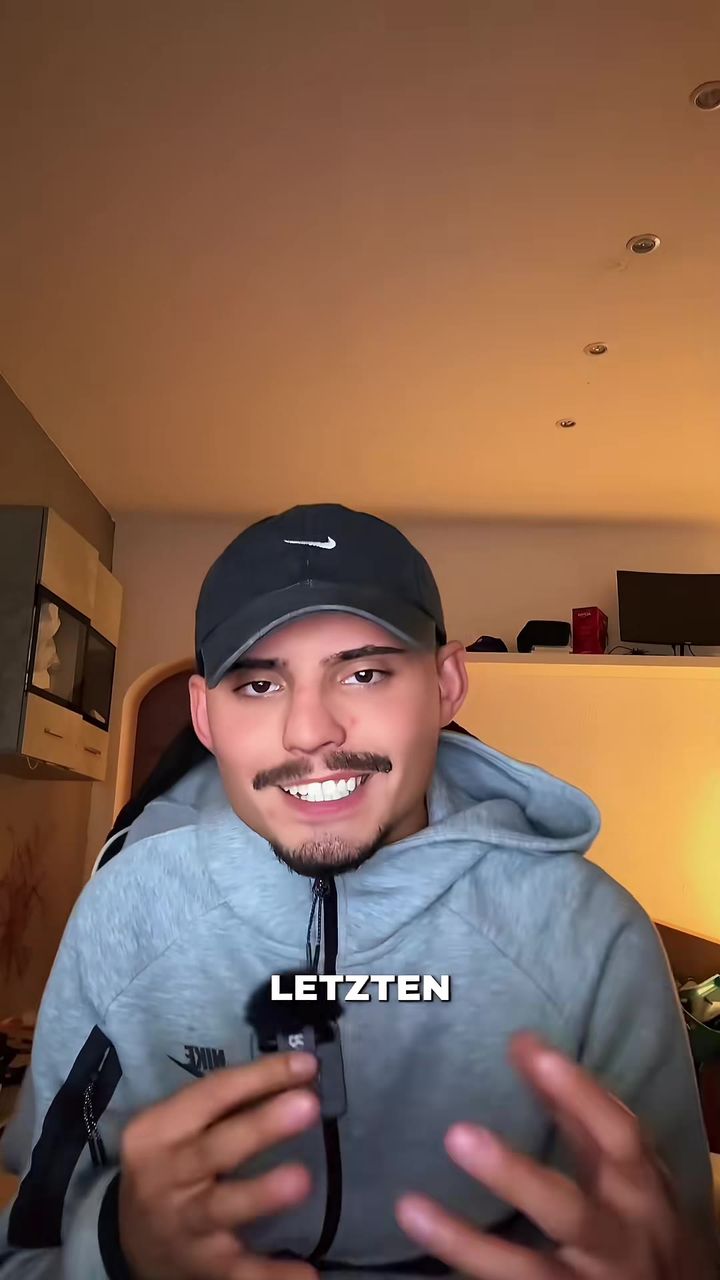
TikTokThe TikTok video suggests the 'Cat in the Hat' trend, linked to various sightings, has arrived in Germany, prompting user interaction about personal experiences. It includes references to police reports.
“„CAT IN THE HAT“ doch in DE ?🇩🇪#catinthehat #catinthehatgermany #creepypasta #gruselgeschichtene #verstörend”
““CAT IN THE HAT” but in DE?” — translated
Who posted it
TikTokAccount check
Estimates from public signals — account age, posting pattern, audience — not a judgement of the person behind the account, and separate from whether this post is true.
What stood out
- Account 'russianboyal' is a German TikTok creator known for horror-themed short videos and paranormal stories, with approximately 1.4 million followers. (creatorradar.de)
- The creator's content focuses on horror stories, paranormal themes, and suspense-driven short formats, effectively integrating these elements into TikTok content. (creatorradar.de)
- The audience is predominantly German-speaking, with 85% from Germany and 93% using German as their primary language. (creatorradar.de)
- The creator's engagement rate is 7.3%, indicating active audience interaction. (creatorradar.de)
Signals (3)+
- Posting cadence
- Regular
- Follower ratio
- 1400000
- Notable news coverage
- Der Junge mit der Cap 🧢 is a German TikTok creator known for horror-themed short videos and paranormal stories.
Account checked October 28, 2026, 03:14 UTC
The media
Video✓ What is genuine
The video presents genuine aspects, like the police press release and related reports from reputable news sources.
The tells
- ●●● Strong signal The mixture of authentic and AI-generated content in the video makes it suspicious.our visual review
- ●●○ Supporting signal The reliance on sensationalist claims can lead viewers to question the video's credibility.our visual review
Synthetic-media detector
Detector ranThe claim stands or falls on whether the media is real, so the detector ran.
Scores are the detector’s estimate for the file as uploaded. A low score does not rule out editing, a spliced caption, or footage shown out of context — those are judged above. Model v3.
How we checked the media
- Evaluated the content of the TikTok video, including the creator's on-camera segment.
- Cross-referenced the screenshots presented in the video with the actual police press release.
- Checked for authenticity by reviewing independent reporting on the topic.
Sources
5 sources reviewed- 1Polizeimeldung Polizeirevier Wittenberg (Berichtszeitraum 22. bis 23.09.2026) ↗
Polizei Sachsen‑Anhalt · polizei.sachsen-anhalt.deUntiereduntiered — treated as signal only, never decisiveEvidence
Documents the Coswig incident involving a person in a cat costume who threatened a resident.
- 2Gruseltrend in Katzenkostümen beschäftigt Polizei ↗
Tagesschau · tagesschau.deReputable outletCenter/Lean Left — public serviceEvidence
Reports on police activity and investigations related to the 'Cat in the Hat' sightings.
- 3Trend aus dem Netz: Gruseliger 'Cat in the Hat'-Trend (MDR) ↗
MDR · mdr.deUntiereduntiered — treated as signal only, never decisiveEvidence
Provides additional context on local responses to the sightings and behaviors linked to the cat costume incidents.
- 4"Cat in the Hat"-Sichtungen: Echte Vorfälle und KI‑Fakes vermischt ↗
Correctiv · correctiv.orgPrimary / fact-checkerIFCN + EFCSN; German nonprofitEvidence
Explains the mix of genuine sightings and AI-generated content impacting the narrative.
- 5"Cat in the Hat": Bilder in Wittenberge offenbar KI‑generiert (Brandenburg) ↗
Tagesschau (Brandenburg) · tagesschau.deReputable outletCenter/Lean Left — public serviceEvidence
Reports on local media investigations into the nature of imagery circulating in connection with the sightings.
Further reading
- 1Polizei Sachsen‑Anhalt This press release establishes the factual basis for the incidents reported regarding the cat costume threat.
- 2Tagesschau The article summarizes police warnings and reinforces sightings connected to the concerned trend.
- 4Correctiv Covers the intersection of real events and the AI-generated imagery affecting public perception of the trend.
The full story
The core of the story revolves around incidents linked to the 'Cat in the Hat' TikTok trend, which reportedly reached Germany. The original event occurred on September 19, 2026, when a resident in Coswig (Anhalt) encountered a person in a cat costume that posed a physical threat. This incident led to police investigations and public warnings from the Polizeirevier Wittenberg, which also highlighted how this trend incited broader concern in various regions across Germany. Journalistic scrutiny revealed that while reports of sightings exist, numerous images and videos circulated alongside the genuine content are AI-generated or manipulated. Thus, mixed messaging raises questions about authenticity, emphasizing the importance of verification in the digital age. Given the viral nature of trends on social media platforms like TikTok, the phenomenon encapsulates the interplay between real-world events and fabricated narratives needing careful interpretation.
Kernel of truth
Yes, the trend has indeed reached Germany.
How it was framed
While the trend itself is real, the visual evidence surrounding it is not always authentic, leading to confusion about what is happening.
- Emotional language. The video uses phrases like 'stressed out' to evoke concern among viewers about safety.
- Urgency. The call for immediate viewer engagement, asking users to share their sightings, creates a sense of urgency.
Bias
Leans sensational/viral. The video frames the trend as alarming and solicits viewer reports (comments/pictures), which amplifies the sensational aspect; it uses police material but emphasizes shock value to increase engagement.
Bias describes how the post frames its message — the slant of the language, selection and emphasis — and is judged separately from whether the claim is true. A true claim can still be framed with a strong slant.
How we checked
1 min 47 s- 1
Executed searches related to the reported incidents reported on TikTok and by German police.
- 2
Opened official police press releases and media reports to validate the incidents.
- 3
Analyzed the TikTok video content and compared it against independent coverage.
✓ Claim checked✓ Media checked✓ Sources checked
Why 84% confidence
HighThe confidence is rated HIGH based on strong corroboration from multiple independent sources confirming the key claims.
Limits. No current AI image checks were conducted due to the mixed nature of the content.
What we don’t know
- The full extent of AI-generated content circulating around the 'Cat in the Hat' sightings.
- Detailed motivations behind the spread of this trend.
- Potential connections between different sightings beyond official reports.
Spot it yourself
Find the overstatementLooks suspicious, isn’t proof
- The sensationalist nature of the claims can amplify anxiety without solid evidence.
- Social media comments can exaggerate real events for engagement.
- A lack of corroboration from other reports can raise doubts about the authenticity.
- The involvement of AI-generated content in the shared media can make verification complex.
The actual evidence
- The police press release confirming the threat incident provides a strong foundation for the core claim.
- Multiple independent media reports affirm the existence of sightings tied to the trend.
- Fact-checked evidence from recognized organizations underscores the presence of AI transformations.
- 1
Verify with official sources.
Check police or media releases to confirm claims of real incidents.
- 2
Analyze visual content carefully.
Look for signs of digital manipulation in images or videos.
- 3
Contextualize shared information.
Consider how social media might amplify or distort reality for engagement.
- 4
Follow up on claims in reputable news sources.
Use established news outlets to cross-reference the story.
Takeaway
In an age of rapid content sharing, discerning fact from fiction requires careful analysis and trust in verified sources.
Questions people ask
What is the 'Cat in the Hat' trend?+
The 'Cat in the Hat' trend involves reports of individuals dressed in cat costumes, causing concern as they mimic the characters from the children's book. It has grown popular on social media platforms like TikTok.
Why are some sightings reported as AI-generated?+
Many images and videos shared alongside actual sightings have been flagged as AI-generated or manipulated, complicating the narrative around the trend and requiring verification of authenticity.
How can I tell if a sighting is genuine?+
Verify claims with official police or news sources, cross-reference details, and analyze any shared visuals for signs of manipulation to discern true reports from fakes.
Go deeper
- AI-generated content
- Digital media created using artificial intelligence, often indistinguishable from real images or videos.
- Misleading content
- Information that can lead to incorrect conclusions, whether by exaggeration, omission, or misrepresentation.
- Media literacy
- The ability to access, analyze, and critically evaluate media content.
People also search for
For educators+
- What steps can individuals take to verify content before sharing?
- How does sensationalism in media affect public opinion?
- Why is it important to distinguish between real incidents and manipulated content in today's digital landscape?
About this check
- Platform
- TikTok
- Posted by
- @russianboyal
- Posted
- September 24, 2026
- Age when checked
- Older post, still live
- Where it spread
- Germany
- Audience
- UK & EU audience
- Language
- DE
- Status
- ● Post is live
- Verified
- October 28, 2026, 03:16 UTC
- Published
- October 28, 2026, 03:16 UTC
Reach. 2.6M plays, 114.5K likes, 47K shares (TikTok page JSON); Correctiv 26 Oct (misleading: some images AI); RP Online 27 Oct Halloween warning
This verdict was generated with AI from the sources shown. AI can make mistakes — check the sources before relying on it.
Check anything yourself, in seconds.
Share any social post or video to What the Fact and get the verdict, the confidence, and the receipts.