Are there mass protests in Kenya calling for Nigerians to leave?
Do these viral videos show Kenyans protesting against xenophobia in 2026 following President Ruto's directive, or are they old protests from 2024?
Can't verify
Mass protests calling for Nigerians to leave Kenya are unsupported.
The claim of mass protests in Kenya demanding Nigerians leave is unsupported and lacks credible evidence. While there were fears among immigrant communities due to government actions, no reports confirm such specific protests occurred.
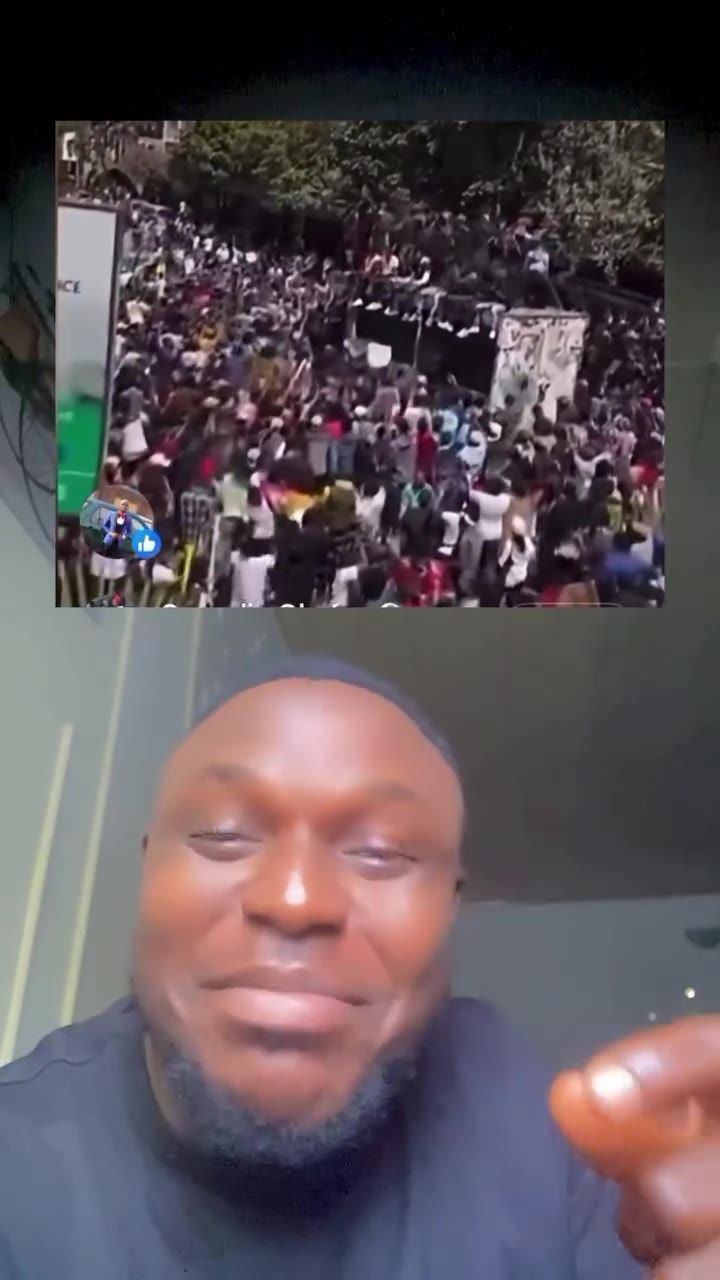 Likely genuine
Claims
3 checkedThe Kenyan president said other Africans, especially Nigerians, should go (leave Kenya).1
President William Ruto did criticize foreign-owned businesses, which included a directive for regularization aimed at undocumented foreign operations. However, he did not specifically call for Nigerians to leave, making the post's implication an overreach. The coverage suggests concern about immigrant businesses rather than an explicit demand on Nigerians.
There are mass street protests in Kenya demanding that the president 'come out' and calling for Nigerians to leave.123
While there were political rallies and general unrest following the president's remarks, no credible reports document mass protests specifically calling for Nigerians to leave. This absence of reliable information implies the assertion is unverifiable.
Kenyans are demanding that Nigerians leave Kenya (generalized statement).12
Although reports indicate rising tensions among immigrant communities due to government policy changes, there is no evidence to support a collective demand for Nigerians to leave. The sourcing shows concerns but lacks specificity on protests.
What was posted
FacebookThe post on Facebook features a video titled 'Kenya is bubbling oh,' implying unrest related to anti-Nigerian sentiment.
“Kenya is bubbling oh”
“Kenya is bubbling oh” — translated
The media
Video✓ What is genuine
The video appears to feature real footage of a crowd interacting in a public space, but its origin is not confirmed.
The tells
- ●●○ Supporting signal The protest clip was used as supporting evidence, but the source remains unidentified.our visual review
- ●●○ Supporting signal The video quality was sufficient for reporting, but its context was unclear.our visual review
Synthetic-media detector
Detector ranThe claim stands or falls on whether the media is real, so the detector ran.
Scores are the detector’s estimate for the file as uploaded. A low score does not rule out editing, a spliced caption, or footage shown out of context — those are judged above. Model v3.
How we checked the media
- The video was visually inspected to verify its authenticity.
- We searched to locate the original source of the protest footage.
- The video format and content were evaluated for plausible settings.
Sources
3 sources reviewed- 1Kenya moves to regularize foreign businesses after president's remarks alarm immigrant communities ↗
Associated Press · apnews.comPrimary / fact-checkerwire + AP Fact Check (Tier A)Evidence
Kenya's government measures regarding foreign businesses alarmed immigrant communities.
- 2Nigerians in Kenya: What You Must Do Now amid Crackdown Fears, According to Envoy ↗
Tuko · tuko.co.keUntiereduntiered — treated as signal only, never decisiveContext
Reports on reassurances provided to Nigerians in response to fears about enforcement actions.
- 3Nairobi Airport Crisis: NCAA Warns Stranded Nigerians Against Protests, Says Disruptions May Persist ↗
The Will News · thewillnews.comUntiereduntiered — treated as signal only, never decisiveFurther reading
Coverage discussing the effects of travel disruptions on Nigerians in Kenya.
Further reading
- 1Associated Press Provides context on the government's measures affecting foreign businesses and immigrant communities.
- 2Tuko Details the concerns expressed by the Nigerian envoy amid rising tensions.
- 3The Will News Explains travel disruptions and government warnings that impact Nigerians.
The full story
In September 2026, the Kenyan government announced a 90-day regularization exercise for foreign-run businesses, which came after comments by President William Ruto drawing attention to foreign ownership of local enterprises. This announcement led to heightened anxiety among various immigrant communities, including Burundians and Nigerians. Reports indicate that the government issued warnings against any harassment of foreigners during this period. While there were general political tensions and some protests directed at the government itself in light of these measures, we found no credible evidence of mass protests particularly aimed at Nigerians. The assertions made in the video post do not align with documented realities on the ground, highlighting the importance of corroborating claims with reliable sources.
Kernel of truth
Government measures aimed at regularizing foreign businesses in Kenya did spark concern among immigrant communities.
How it was framed
The content misleads by suggesting that there are mass protests demanding Nigerians to leave while evidence does not support this.
- Selective evidence. The post selectively presents the video to imply widespread protests while omitting context.
- Urgency. The wording used in the video suggests immediate unrest, soliciting a heightened emotional response.
Bias
Leans sensational/anti-Kenya. The post pairs a dramatic protest clip with an excited vocal narration implying Kenya is erupting against Nigerians. That framing amplifies fear and portrays Kenya as especially hostile toward Nigerians; the claim mixes real tensions about foreign businesses with an unverified, sensational allegation.
Bias describes how the post frames its message — the slant of the language, selection and emphasis — and is judged separately from whether the claim is true. A true claim can still be framed with a strong slant.
How we checked
2 min 28 s- 1
We performed targeted searches for coverage of protests in Kenya regarding Nigerians during September 2026.
- 2
Various phrases relevant to the claims were searched to locate corroborating reports.
- 3
Notably, searches focused on the president's remarks and their aftermath.
✓ Claim checked✓ Media checked✓ Sources checked
Why 45% confidence
LowOur confidence is low because while there was relevant reporting on government actions, there was no corroborating evidence of protests specifically aimed at Nigerians.
Limits. Our searches did not yield any authoritative reports confirming mass protests as described in the video.
What we don’t know
- The original source of the protest footage used in the video.
- Whether any localized protests occurred that were not reported on by major media.
Spot it yourself
Spot the fakeLooks suspicious, isn’t proof
- The alarming tone of the post raises concerns but is not in itself evidence.
- The lack of a direct link to credible news sources creates doubt about the claims.
- The clip's context is unclear and could be misrepresented without a source.
The actual evidence
- Major news outlets did not report any protests specifically calling for Nigerians to leave Kenyans.
- The claims significantly overstate the situation regarding the government's actions.
- Visual checks revealed the clip's authenticity but not its source.
- 1
Look for credible sources reporting on the same events.
Check established news outlets for corroborating coverage.
- 2
Investigate the provenance of any video or images used.
Use reverse image searches to trace the original context and date.
- 3
Consider the tone and urgency of the claims presented.
An alarmist tone may indicate misinformation tactics.
Takeaway
Always verify claims against independent sources, especially when urgent emotions are evoked. Be cautious of videos that lack clear sources or context.
Questions people ask
What sparked tension among immigrant communities in Kenya?+
Tension arose from a governmental regularization exercise for foreign-run businesses, which followed comments by President William Ruto regarding foreign ownership. These steps caused alarm and concerns about immigrant rights.
Are there reports of protests in Kenya regarding Nigerians?+
While there were political protests and discussions following government comments, no credible reports confirm large-scale protests specifically demanding Nigerians to leave Kenya.
How can I verify the authenticity of videos posted online?+
To verify a video's authenticity, check its source, use reverse image searches, and examine multiple credible news reports for corroboration.
Go deeper
- Regularization
- The process by which the government establishes legal status for previously undocumented businesses or individuals.
- Misinformation
- False or misleading information spread regardless of intent to deceive.
- Provenance
- The history of ownership or custody of a document or artwork, often used to assure its authenticity.
People also search for
For educators+
- How can we distinguish between credible news and misinformation?
- What are the impacts of sensationalized claims on public perception?
- How does the framing of a claim affect its reception?
About this check
- Platform
- Posted
- September 2, 2026
- Age when checked
- 1–2 days old when checked
- Where it spread
- KE
- Audience
- Local audience
- Language
- EN
- Status
- ● Post is live
- Verified
- October 3, 2026, 14:52 UTC
- Published
- October 3, 2026, 14:52 UTC
Reach. 75,000+ views, 4,900+ likes, 2,000+ comments across Facebook, Instagram, TikTok, X. Fact-checked by Dubawa, Africa Check, PesaCheck.
This verdict was generated with AI from the sources shown. AI can make mistakes — check the sources before relying on it.
Check anything yourself, in seconds.
Share any social post or video to What the Fact and get the verdict, the confidence, and the receipts.