Did Trump express concern about a pneumonia plague outbreak in Russia?
Is Trump right that plague 'used to be' controllable but the microbes have 'gotten stronger and smarter', i.e. is plague now resistant to antibiotics, amid a suspected pneumonic plague death in Siberia?
True
Trump's remarks about the outbreak are accurate, but his description of microbes is misleading.
Yes, President Trump expressed concern about a suspected pneumonia plague outbreak in Russia during a White House press gaggle on October 5, 2026. He described microbes as 'stronger and smarter,' although this characterization is misleading in context.
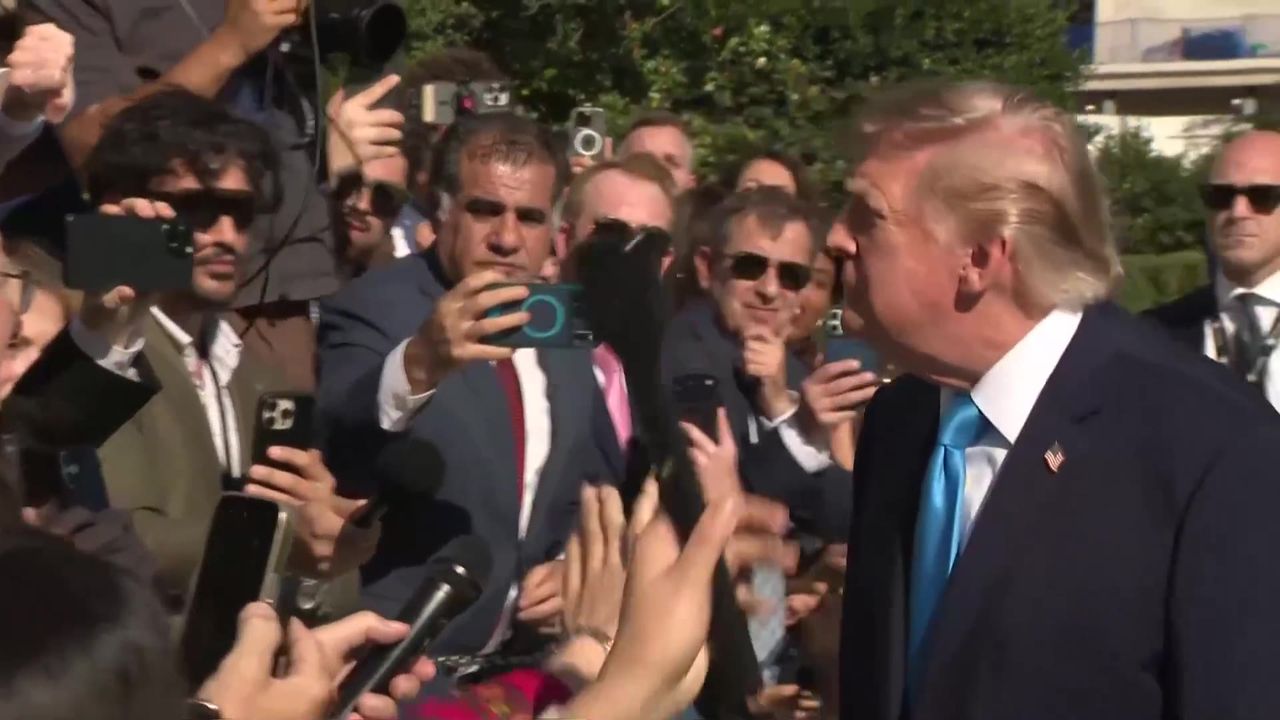 Genuine
Claims
✓ 2 trueI am concerned about the outbreak in Russia.1234
President Trump confirmed his concern about the reported outbreak in Russia when asked. Reports from multiple reliable sources, including the Associated Press and Reuters, corroborate this statement along with a transcript from the White House press gaggle. The evidence indicates he was indeed monitoring the situation and offered U.S. assistance, making this claim accurate.
He referred to it as 'the pneumonia plague' / implied it was pneumonic plague.123
Trump did use the term 'pneumonia plague' during his remarks, though official reports describe the situation as a pneumonia of unknown cause rather than confirmed pneumonic plague. While the phrase was used, the exact nature of the disease remains unverified, making this claim partially true.
‘Those microbes have gotten stronger and smarter ... things that used to work on pneumonia don't work as well anymore.’35
Trump's description of microbes as 'stronger and smarter' serves to misrepresent the situation regarding pneumonic plague treatment. While antimicrobial resistance is a growing concern, pneumonic plague remains treatable with antibiotics if diagnosed timely. His comments could foster unnecessary alarm regarding the treatability of such conditions.
The United States will help (Russia) and the White House is monitoring the situation.123
Various credible news sources confirmed that Trump stated the U.S. would assist in monitoring the situation in Russia regarding the pneumonia outbreak. Statements reflecting this commitment appeared in reports across several outlets and in the press gaggle transcript, affirming the accurate nature of this claim.
What was posted
XThe post features a video of President Trump responding to questions about a pneumonic plague case in Russia. In it, he describes the microbes involved as becoming 'stronger and smarter.'
“Q: Are you concerned about the outbreak in Russia? Trump: I am. The pneumonia plague, if you call it. That's a disease we used to be able control. But somehow those microbes have gotten stronger and smarter. They're like an army. The germs have really become relatively stronger.”
Who posted it
XAccount check
Estimates from public signals — account age, posting pattern, audience — not a judgement of the person behind the account, and separate from whether this post is true.
What stood out
- Account joined Twitter in October 2008, indicating long-term presence.
- Profile description mentions role as Senior Digital Editor for SnapStream, a known media monitoring company.
- Regular posting of video clips from news broadcasts and political events, consistent with SnapStream's services.
- High follower count (over 776,000) and engagement rates suggest genuine audience interest.
Signals (3)+
- Posting cadence
- Frequent
- Notable news coverage
- Acyn's role in providing political video clips to media outlets
- Fact check history
- No significant history of spreading misinformation
Account checked October 6, 2026, 14:58 UTC
The media
Video✓ What is genuine
The video shows Trump's actual remarks during a White House press gaggle.
The tells
- ●●● Strong signal The video appears professionally produced and includes a clear image of Trump speaking.our visual review
Synthetic-media detector
Detector ranThe claim stands or falls on whether the media is real, so the detector ran.
Scores are the detector’s estimate for the file as uploaded. A low score does not rule out editing, a spliced caption, or footage shown out of context — those are judged above. Model v3.
How we checked the media
- Analysts reviewed the video to confirm it is authentic footage of President Trump's remarks from October 5, 2026.
- Verification included corroboration with various reputable news organizations that also covered the same event.
Sources
5 sources reviewed- 1How Russia and the world are responding to a possible case of pneumonic plague after lab worker dies ↗
Associated Press · apnews.comPrimary / fact-checkerwire + AP Fact Check (Tier A)Evidence
Confirms Trump's concern about the outbreak and monitoring by the U.S.
- 2Trump says US 'looking very strongly' at reported plague case in Russia ↗
Reuters (licensable video/report) · reutersconnect.comUntiereduntiered — treated as signal only, never decisiveEvidence
Quotations from Trump and details on the U.S. response to the outbreak.
- 3Trump: U.S. willing to help Russia with potential pneumonic plague outbreak ↗
Axios · axios.comReputable outletCenter/Lean LeftEvidence
Confirms Trump's offer of help and articulates the microbial concerns he expressed.
- 4Donald Trump press gaggle before Marine One departure — October 5, 2026 (transcript) ↗
Roll Call / Factbase transcript · rollcall.comUntiereduntiered — treated as signal only, never decisiveContext
Provides a verbatim transcript of Trump's remarks.
- 5Clinical Care of Plague | Plague (CDC) ↗
Centers for Disease Control and Prevention · cdc.govPrimary / fact-checkerprimary/official source (by domain)Further reading
Clarifies the treatability of pneumonic plague and emphasizes rapid diagnosis and treatment.
Further reading
- 1Associated Press Provides an overview of the case and responses from Russian officials regarding the pneumonia outbreak.
- 2Reuters (licensable video/report) Contains Trump's video statement and offers context about U.S. assistance.
- 5Centers for Disease Control and Prevention Offers detailed CDC guidelines on the treatment of pneumonic plague.
The full story
On October 5, 2026, President Trump addressed reporters at the White House regarding a case of pneumonia that was reportedly fatal for a Russian lab worker. The illness initially described by Russian officials as pneumonia of unknown etiology raised concerns about possible pneumonic plague. During his remarks, Trump characterized the situation, stating he was 'concerned' and that microbes have become 'stronger and smarter.' Trump assured that the U.S. would monitor the situation and offer assistance, appending his statement with vague scientific language that could cause misunderstanding. While the video of the press gaggle confirms his actual words, the characterization of the microbial threats may misinform the public about the nature of treatable diseases like pneumonic plague, which remains manageable with antibiotics when treated promptly.
Timeline
October 5, 2026
President Trump speaks at White House, addressing the pneumonia outbreak in Russia. 4Roll Call / Factbase transcript
How it was framed
While some statements made by Trump are accurate, others misleadingly present the scientific context of the disease, which could lead to public misunderstanding of its treatability.
- Emotional language. Trump describes microbes as 'stronger and smarter,' invoking fear.
Bias
The clip is a short excerpt of a White House gaggle; it shows Trump answering reporters. The post largely quotes his words without additional partisan framing.
Bias describes how the post frames its message — the slant of the language, selection and emphasis — and is judged separately from whether the claim is true. A true claim can still be framed with a strong slant.
How we checked
1 min 17 s- 1
We reviewed the video featuring Trump's comments at the White House press gaggle on October 5, 2026.
- 2
We searched for corroborating reports from multiple reputable news sources covering the same press event.
- 3
Fact-checking databases confirmed the presence of the press gaggle transcript that reflected Trump's statements.
- 4
We evaluated the scientific validity of Trump's remarks regarding microbial threats by referencing authoritative public health resources.
✓ Claim checked✓ Media checked✓ Sources checked
Why 86% confidence
HighOur assessment is rated as HIGH due to the strong independent corroboration from multiple reputable sources that confirmed Trump's remarks.
Limits. We did not investigate the broader context of Russian health responses beyond initial reports.
What we don’t know
- The current health situation in Russia regarding the outbreak remains fluid, and further developments have yet to be reported.
- Details on the patient's condition or ontology leading to pneumonia, if any, are still largely unknown.
Spot it yourself
Find the overstatementLooks suspicious, isn’t proof
- Trump's characterization of microbes as an 'army' may sound alarmist.
- Frequent use of vague scientific terminology can lead to misunderstandings.
- Statements that invoke fear can often misguide public perception.
- Low resolution or unofficial clips may not provide reliable context.
The actual evidence
- The direct correlation of Trump's comments to a verifiable press gaggle event.
- Reputable sources confirmed his concern and the monitoring by the U.S.
- The vagueness surrounding the specifics of the pneumonia case raises alarms but needs verification.
- 1
Check multiple news sources for confirmations of claims.
See if news articles consistently report the same statements or events, especially with significant or alarming claims.
- 2
Verify context surrounding scientific claims.
Understanding the specific dangers and treatment options helps evaluate a claim's credibility.
- 3
Look for official transcripts from events.
Official statements from press events can clarify the accuracy of reported statements.
- 4
Consider the tone of language used in reports.
Emotional or alarming descriptors can indicate a potential exaggeration in claims.
Takeaway
Always cross-reference alarming medical claims with official health guidelines to get accurate perspectives on treatability and safety.
Questions people ask
What did Trump say about the pneumonia outbreak?+
President Trump expressed concern over a pneumonia outbreak in Russia and suggested that microbes are getting 'stronger and smarter.' However, his scientific framing has been criticized as misleading.
Is pneumonic plague treatable?+
Yes, pneumonic plague is treatable with antibiotics, provided it is diagnosed and treated promptly according to the CDC.
What was the context of Trump's remarks?+
Trump's remarks were made during a press gaggle on October 5, 2026, concerning a Russian lab worker's reported death from pneumonia of unknown origin, initially described by officials as a potential pneumonic plague case.
Why was Trump's statement about microbes misleading?+
His claim that microbes have gotten 'stronger and smarter' overgeneralizes the scientific challenges posed by antibiotic resistance and downplays how pneumonic plague remains each treatable with timely intervention.
Go deeper
- Pneumonic plague
- A severe lung infection caused by the bacterium Yersinia pestis, treatable with antibiotics.
- Antimicrobial resistance
- The ability of microorganisms to withstand medications that once effectively killed them.
- Press gaggle
- An informal press gathering where reporters ask questions to public officials.
People also search for
For educators+
- How can emotional language influence public perception of health crises?
- What steps should be taken to ensure accurate health information is communicated?
- How do media representations impact public belief in science and medicine?
About this check
- Platform
- X
- Posted by
- @Acyn
- Posted
- October 5, 2026
- Age when checked
- Under 24 hours old when checked
- Where it spread
- United States, Russia
- Audience
- US audience
- Language
- EN
- Status
- ● Post is live
- Verified
- October 6, 2026, 15:00 UTC
- Published
- October 6, 2026, 15:00 UTC
Reach. ~8.9K likes / ~1.2K replies (syndication, 2026-10-06); wide pickup (HuffPost, The Hill, Axios, Salon, Fox, Forbes, Al Jazeera); Kimmel monologue joke
This verdict was generated with AI from the sources shown. AI can make mistakes — check the sources before relying on it.
Check anything yourself, in seconds.
Share any social post or video to What the Fact and get the verdict, the confidence, and the receipts.